
Introduction
Labels are no longer static—they are part of your workflow. Picture a busy check-in desk at a conference, or a rotating shift on a medical ward. The second you hand out a printed card, a role changes, a room moves, a pronoun updates. The digital name plate must keep up, or the whole system slows. In many teams, minutes turn to hours as staff chase edits and reprints. Some report double work after every schedule change. And a few get hit with errors that ripple into meetings, service counters, and safety checks.
Recent audits in fast-moving sites show time lost not to “big” failures but to small re-labeling steps. People write, cross out, tape over, and print again. It looks minor. It stacks up. When every update needs a printer, a runner, or a new card, the cost hides in motion (and morale). So ask yourself: if a name plate is a node in a live process, why treat it like a dead end? How would flow improve if the badge could refresh, sync, and verify on the fly—funny how that works, right?
Let’s move from talk to the mechanics that make (or break) that promise.
Traditional Fixes, Deeper Friction
What’s the hidden drag?
On paper, the upgrade seems obvious: put information on a screen that uses almost no power. A modern paper like display feels natural to the eye and sips energy. Yet traditional fixes miss why old labels fail. The pain is not just ink. It is the handoffs, the lag, and the brittle steps in between. When your update path runs through a printer queue and a human runner, you invite delay. You also invite drift—two versions of truth live at once. In technical terms, the endpoint is offline. No handshake with edge computing nodes. No secure sync. No audit trail.
Look, it’s simpler than you think. Without a low-power SoC on the badge, an e-paper module can only display, not decide. Without NFC provisioning or a tight power budget on the power converters, you get dead batteries, or worse, dead data. People then revert to pens and tape—odd, but common. The result: silent costs. Slow onboarding. More rework. And visibility gaps that show up during audits, not during daily ops.
Comparative Insight: From Static Tags to Networked Plates
What’s Next
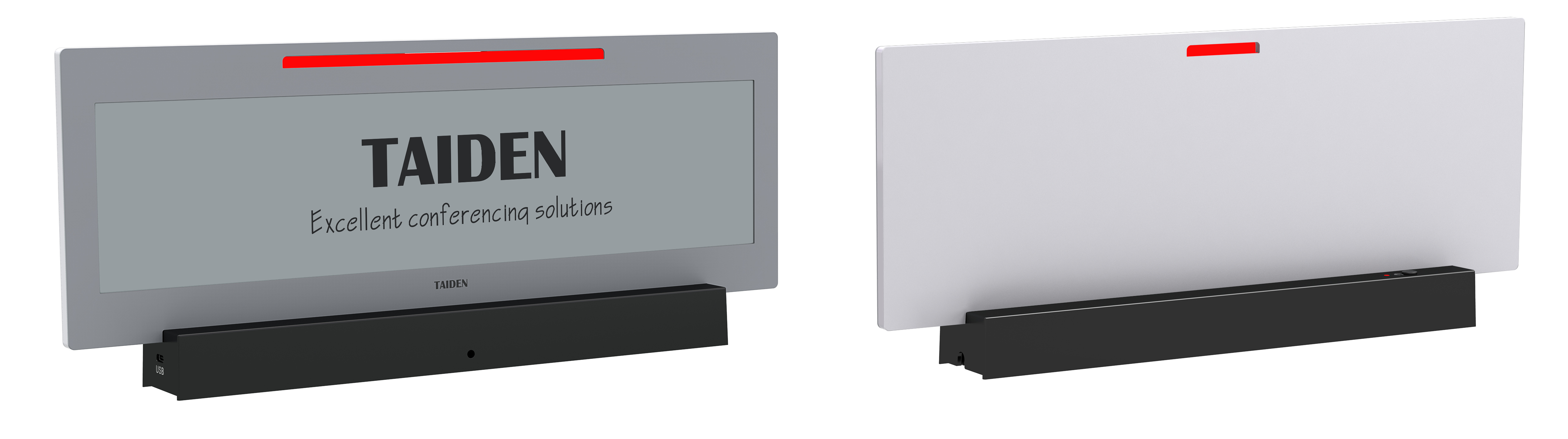
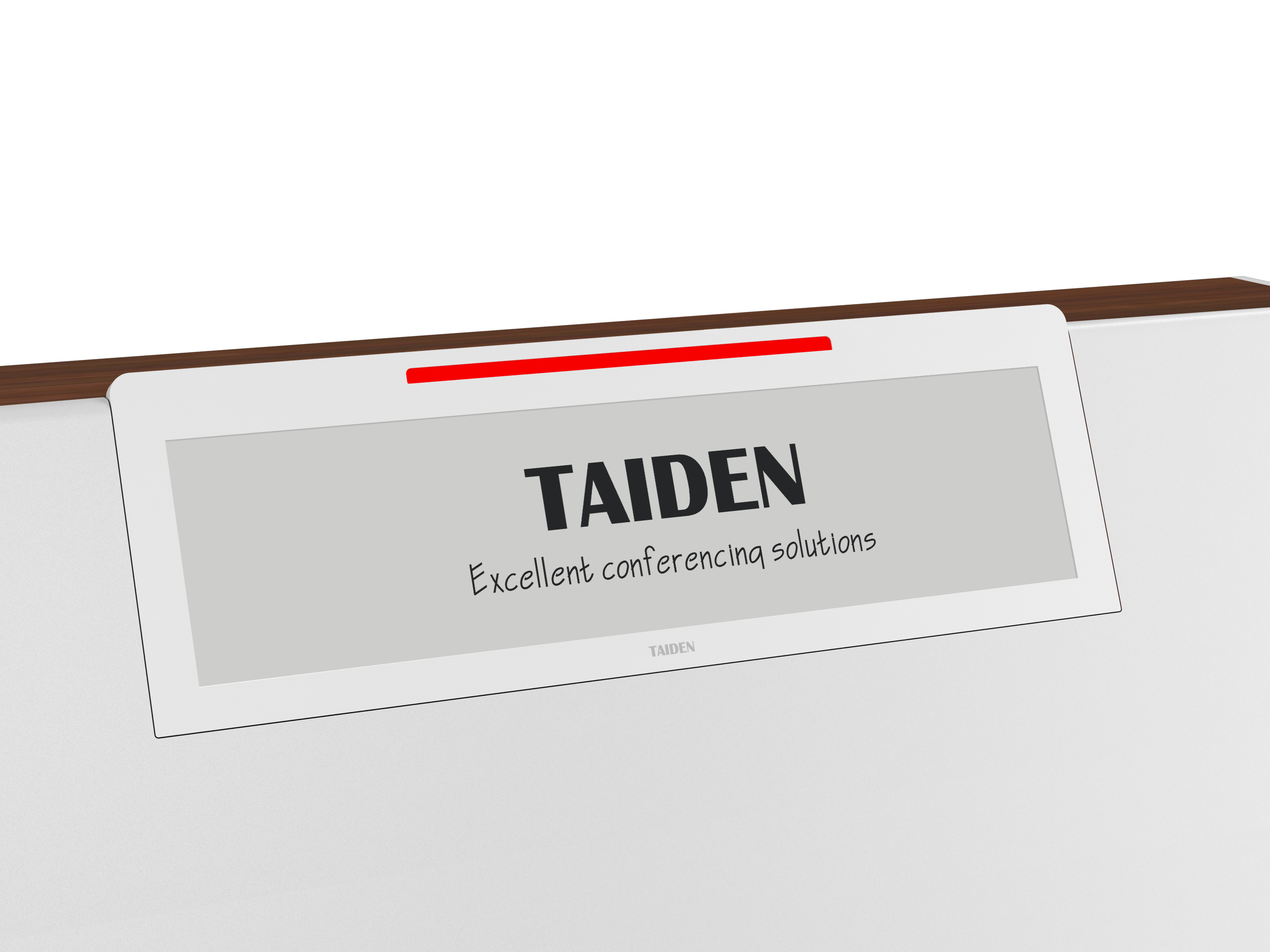
The shift now underway is not screen-deep. It is architectural. A networked badge pairs a paper-like panel with a state-aware controller, then speaks to secure gateways. In practice, that means a digital nameplate can fetch updates, confirm identity, and log changes with minimal power. New technology principles make this possible: event-driven refresh so the display updates only when needed; encrypted payloads that travel via NFC or BLE; and optional ties to edge computing nodes for local rules. The display stays restful; the logic does the work. Less chatter. More certainty.
Compared to legacy print, the delta is not only speed. It is correctness under change. You cut duplicate steps because the badge syncs directly. You reduce errors because the endpoint verifies before it shows. And you gain traceability because every write leaves a trail—funny how that works, right? From a people angle, the experience feels calm. The surface still looks like paper. The system behaves like software. That blend is what reduces training time and keeps adoption high.
Before you choose a path, use three metrics to judge options. First, update latency under load: measure time-to-refresh for 100+ concurrent changes. Second, true power budget: include the e-paper module, radio, and power converters across a full duty cycle. Third, security posture at the edge: verify key storage, over-the-air update integrity, and NFC provisioning safeguards. If a candidate scores well here, you can trust it when teams move fast and details matter.
In short, we learned that the bottleneck was never the font or the frame—it was the offline workflow. Networked, low-power designs bring the quiet reliability of paper with the accountability of systems. That is the truth worth acting on, and it’s where careful makers like TAIDEN continue to refine the craft.