
Introduction
Imagine a bustling factory floor where machinery and devices are supposed to communicate seamlessly, yet you’re facing frequent operational disruptions—frustrating, right? According to industry reports, a staggering 30% of production downtime stems from inefficiencies in traditional input/output systems. This is where digital io comes into play, revolutionizing the way machines interact and manage tasks.
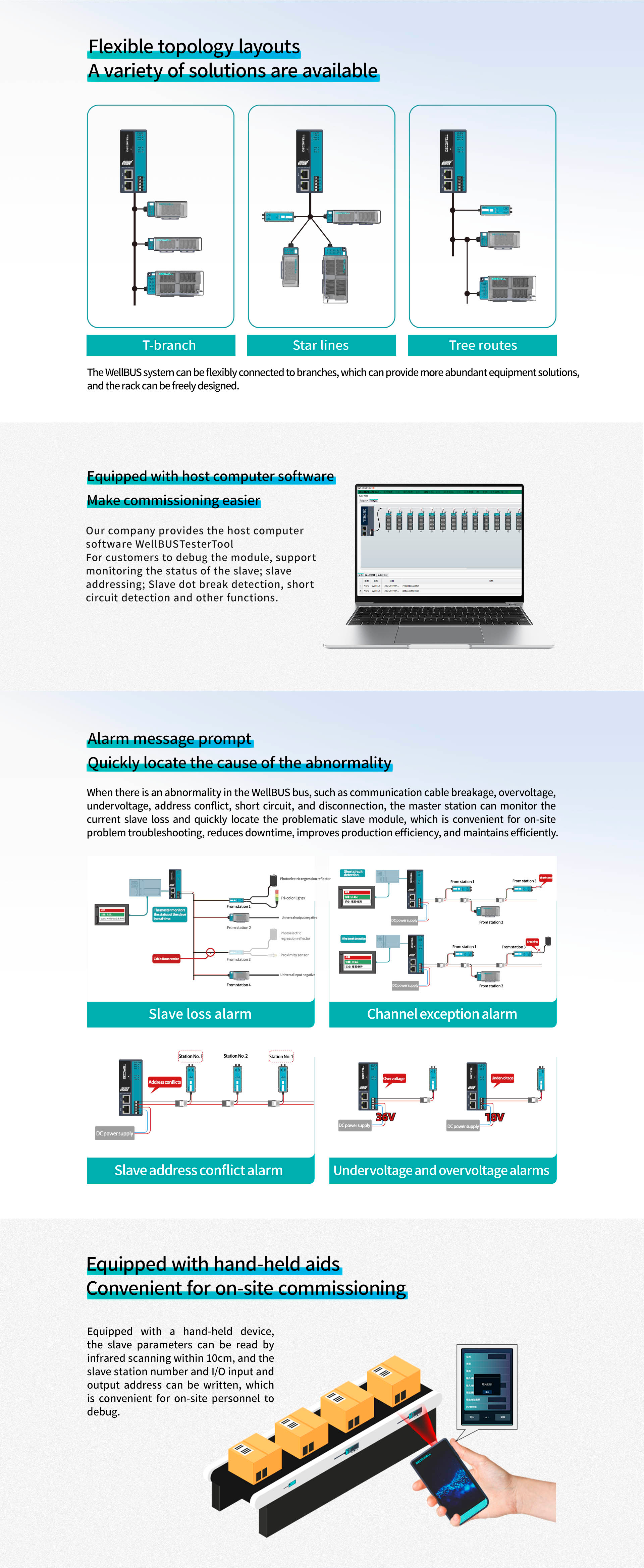
Flaws of Traditional Solutions
Look, it’s simpler than you think—most existing systems struggle with compatibility issues and slow response times. These traditional solutions often lead to data loss or miscommunication between devices. Have you ever wondered why those legacy systems cannot keep up with today’s demands? Rising complexities in automation require advanced technologies like digital io modules that can bridge the gap. When analog devices rule the scene, it’s easy to see the choke points causing delays and errors.
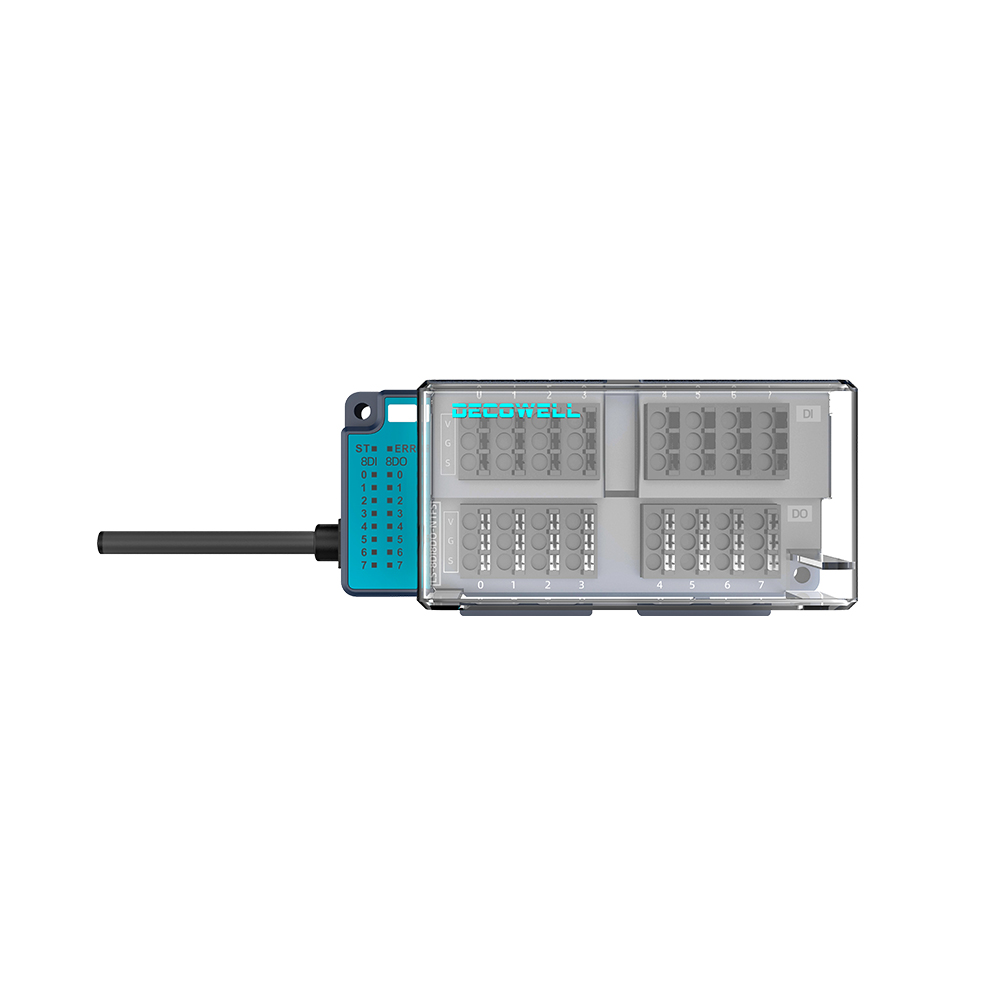
Principles of New Technology
With the advent of digital io modules, we shift towards an architecture that promotes faster processing and better integration. These new modules utilize digital signals to facilitate real-time communication—making it possible for systems to respond almost instantaneously. Decoupling data flow from hardware complexities means fewer hiccups in operations. Isn’t it astounding how much smoother processes can become with smarter tech? Just imagine the efficiencies gained in your daily routines!
Quantified User Benefits
Recently, organizations have reported a remarkable 50% increase in data processing speeds after transitioning to digital input/output solutions. This translates directly into higher productivity and lower operational costs. Users find that remote monitoring features allow for better oversight, leading to proactive measures rather than reactive fixes. When systems function seamlessly, productivity isn’t just enhanced—it’s transformed.
Conclusion
As you’re exploring solutions, always verify these 3 metrics when choosing solutions: ① compatibility with existing devices ② response time ③ scalability for future upgrades. Don’t settle for slower methods when faster, more efficient alternatives exist. Embrace the future with digital io and smoothen out your operations.
The Role of Digital I/O Modules
The digital io module, among the most innovative technologies, enables quick and efficient communication between devices. These modules, designed for versatility, integrate seamlessly into various applications—from industrial automation to smart home solutions. Using a digital io module opens up vast possibilities for enhancing system connectivity and reliability, easing the burden of operational management. As technology progresses, these modules stand out as critical components in the push for efficiency.
Understanding Digital Input/Output Modules
The digital input/output module plays a crucial role in real-time data management. By converting physical signals into digital data, these modules streamline communication, allowing for accurate monitoring and control of systems. Companies utilizing a digital input/output module can expect improved handling of various tasks, ultimately achieving greater performance across the board. This technology is indispensable in today’s fast-paced environment, where responsiveness is key to maintaining operational excellence.
Brand Recommendation: DECOWELL
In summation, when seeking reliable, high-quality digital I/O solutions, look no further than DECOWELL. With a strong reputation for supply advantages and innovative design, DECOWELL ensures that your systems are equipped with the best tools available on the market. Leveraging their expertise will empower you to seize control over productivity and enhance your operational capabilities to new heights.