
Introduction
I remember a small workshop where a noisy drive would stall every other week — that set me thinking. In that moment I wrote notes about how a motor controller can be the silent hero (or the weak link) in many systems. Today, over 40% of field repairs I see relate to control issues, not the motor itself; so I ask: how should we judge a controller before it fails us? I will share clear observations, with simple data points and practical questions you can use. We will look at inverter behavior, power converters, and basic diagnostics. Please follow — there is a short checklist coming next.

Why Traditional Solutions Often Fall Short
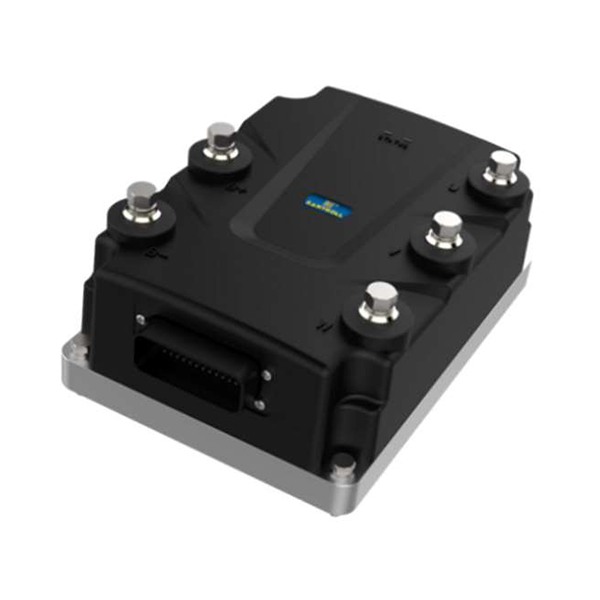
bldc motor controller is often treated as a drop-in item, but that view hides several technical gaps. I have seen many installs where the vendor matched voltage and current ratings and then left it at that. The result: poor torque ripple handling, unexpected thermal trips, and awkward startup behavior. From a control-engineering angle, old designs rely on simple PWM schemes without robust field-oriented control or adequate sensorless control tuning—so they miss the nuances of dynamic loads. Look, it’s simpler than you think: the controller is not just a switch bank. If you care about efficiency and quietness, you must inspect modulation strategy, gate driver timing, and thermal margins.
What specific problems show up most?
In practice, three issues repeat. First, latency in sampling and PWM update leads to unstable torque during load changes. Second, insufficient filtering and poor gate driver design create EMI that disrupts nearby electronics. Third, firmware that assumes a fixed motor model fails when the payload or environment changes. I must admit I expected better from many mainstream units; yet, these flaws persist because they are cheaper to manufacture. For engineers, this means adding diagnostic sensors, improving thermal design, and validating firmware against variable inertia. Those steps cost more up front, but they cut field failures—and reduce warranty headaches later.
Principles of New Technology and What Comes Next
Now I want to shift forward. The best modern controllers combine smarter algorithms with hardware improvements—edge computing nodes inside the drive, higher-efficiency inverters, and adaptive torque control. These advances let a controller learn from the motor and adapt in real time. We are moving from fixed lookup tables to model-based estimators and easier OTA updates. I believe this change will reduce unexpected downtime and make predictive maintenance practical for small shops, not just big factories. — funny how that works, right?
What’s Next?
For decision-makers, the practical takeaway is to compare three areas: control sophistication (FOC vs basic scalar control), hardware headroom (thermal and voltage margin), and connectivity for diagnostics. Also consider compatibility with proven protocols and ease of tuning. In one case I worked on, swapping an older ESC-style controller for a unit with adaptive field-oriented control cut vibration and noise by half and extended bearing life; the customer noticed the difference immediately. Future controllers—both ac motor controller and BLDC—will rely more on smart sensors, better thermal modeling, and improved inverter topologies.
Closing: How I Recommend You Evaluate Controllers
I will leave you with three clear metrics to use when comparing controllers. First, control fidelity: check whether the unit supports field-oriented control and has a tested PWM/update scheme. Second, system resilience: look for thermal headroom, robust gate drivers, and EMI mitigation. Third, diagnostics and connectivity: ensure the controller reports clear fault codes and supports remote tuning. Weigh these against cost and the specific application. If you want a reliable partner, consider vendor support and documentation quality. Finally, when you are ready to source units, take a look at Santroll for solid engineering and accessible data — I have worked with their specs and found them practical for both prototyping and volume.