
When sourcing from a trusted water pipe supplier like LESSO, understanding the types of water supply pipes available is essential for specifying materials that meet performance, durability, and budget requirements. Water supply pipes carry potable water from distribution mains into and throughout buildings and infrastructure. Depending on the application, climate, and installation conditions, different pipe types offer distinct advantages.
Metal Water Supply Pipes
Traditional water supply systems often use metal pipes. Cast iron was widely used historically for water distribution but has largely been replaced due to weight and installation complexity. Ductile iron, an evolution of cast iron, provides improved strength and longevity in buried mains. Steel and galvanized iron pipes are still found in certain heavy-duty installations because of their high structural integrity, though corrosion protection must be considered. Copper offers excellent corrosion resistance and is suitable for both hot and cold water distribution inside buildings.
Plastic and Composite Water Supply Pipes
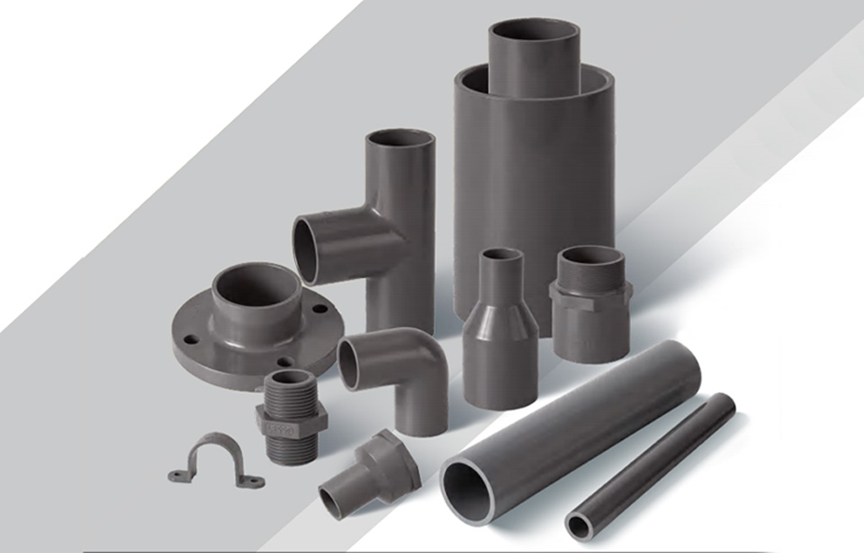
Plastic water supply pipes are among the most versatile and widely used options today. PVC (polyvinyl chloride) pipes are lightweight, resistant to corrosion, and suitable for many cold water systems. CPVC (chlorinated PVC) expands on PVC’s temperature range, making it suitable for hot and cold water lines. PE (polyethylene) and HDPE (high-density polyethylene) pipes offer flexibility and chemical resistance, which is valuable for long flexible runs and underground applications. PPR (polypropylene random copolymer) pipes provide hygienic water transport with strong pressure tolerance. All of these fall under the broader category of plastic pipe manufacturers’ offerings for modern installations.
Composite and Specialty Pipes
In addition to purely metal or plastic pipes, there are composite options that combine materials for balanced properties. For example, aluminum-layered barrier pipes help resist contaminants while maintaining flexibility. These hybrid designs can be specified where environmental exposure or stringent quality requirements are present.
Selecting the Right Water Supply Pipe
Choosing among different pipe types depends on project conditions such as expected pressures, temperature ranges, installation environment, and lifecycle expectations. Working with an experienced water pipe supplier like LESSO ensures you can match pipe materials and specifications to the demands of commercial, residential, or industrial projects. Technical consultation, material data, and compliance with regional standards all play a role in achieving a reliable water distribution network.
Conclusion
Understanding how many and what types of water supply pipes exist enables better decision-making during specification and procurement. From traditional metal pipes to advanced plastics and composites, each type serves a purpose in water delivery systems. With extensive experience, technical support, and adherence to industry standards, LESSO ensures that your water distribution systems are durable, efficient, and compliant. Choosing LESSO helps simplify procurement, align materials with performance requirements, and support sustainable infrastructure solutions.